Source Customized Rubber Netball for Schools, Clubs, and Events
Find 30 customized rubber netball options from verified manufacturers in Jiangsu. Compare specifications like size 5, weight, and OEM branding to select the right equipment for training and recreational play; compare the available evidence and request quotations based on your requirements.
Key considerations
Products List


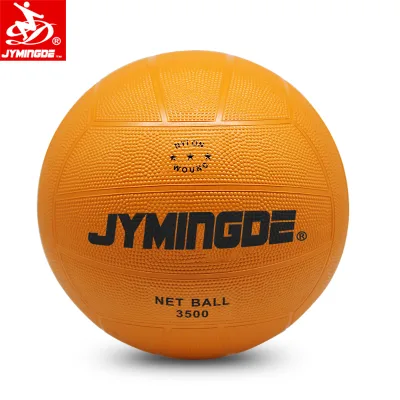


Comprehensive Sourcing Guide
Customized Rubber Netball Sourcing Guide
Product Scope and Observed Listing Signals
The market for customized rubber netballs presents a diverse array of options tailored for both entertainment and competitive usage scenarios. Buyers will encounter products explicitly labeled for basketball usage, indicating versatility in design, while others are dedicated strictly to netball applications. The observed listings highlight a strong emphasis on customization, with suppliers offering logo printing services and the ability to produce balls in customized colors such as white, black, yellow, or other specific brand requirements. This flexibility allows organizations to align equipment with their visual identity or team branding effectively.
Inventory signals indicate that manufacturers and trading companies are active in this space, primarily originating from Jiangsu, China. The supply chain demonstrates significant capacity, with some suppliers reporting daily production abilities of up to 7,000 pieces and monthly outputs reaching 200,000 units. This high-volume capability suggests that buyers seeking large-scale procurement for schools, clubs, or promotional events can find reliable partners capable of meeting substantial order quantities without compromising on the availability of stock or production slots.
Technical Specifications to Verify
When evaluating technical specifications, the material composition is a primary differentiator among available netballs. Listings reveal products constructed from natural rubber, which typically offers superior bounce and durability, as well as options made from PVC, which may provide different tactile feedback and weather resistance. Buyers must verify the specific material claims for each order, as the performance characteristics and longevity of the ball will vary significantly between these two material types. Additionally, weight specifications generally fall within the 400-430g range, which is critical for ensuring the ball meets standard play requirements for the intended age group, particularly for children.
Size and model variations are also prevalent, with standard size 5 balls being a common offering, alongside models ranging from size 2 to 7 to accommodate different skill levels and age groups. Specific model numbers such as BSNB04, BSNB02, and JYMD01172 appear in the market, indicating distinct product lines that may differ in construction or intended use. Buyers should confirm the exact model number and size standard for their purchase to ensure compatibility with existing equipment and league regulations. The packing details, often listed as deflated packing in standard cartons or polybags, also impact shipping costs and storage efficiency, so verifying the single package dimensions is essential for logistics planning.
Compliance and Safety Documentation
Safety and regulatory compliance are paramount when sourcing sports equipment, especially for products intended for children. The observed listings mention certifications such as ISO9002, EN71, BV, SGS, and TUV, which suggest that some manufacturers adhere to international quality and safety standards. However, buyers must rigorously verify the current validity and scope of these certifications for the specific products being ordered. EN71, in particular, is a critical standard for toy safety in many markets, ensuring that the materials used are free from harmful substances and meet mechanical safety requirements.
Environmental considerations are also emerging as a key factor in procurement decisions. Some suppliers highlight the use of friendly environmental materials, which can be a significant selling point for organizations with sustainability goals. Buyers should request detailed material safety data sheets and environmental compliance reports to confirm that the rubber or PVC used does not contain prohibited chemicals. Verifying these documents ensures that the imported netballs meet the regulatory requirements of the destination country and align with the organization’s corporate social responsibility commitments.
Cost Drivers and Commercial Terms
Several factors influence the final cost of customized rubber netballs, with customization being a primary driver. The availability of logo printing and customized colors adds value but may also increase production complexity and cost. Buyers should anticipate variations in pricing based on the extent of customization required, such as the number of colors in the logo or the complexity of the design. The observed price range of 0.1 to 6 USD indicates a wide spectrum of options, from basic unbranded balls to premium customized versions, allowing buyers to select products that fit their budget constraints.
Minimum order quantities (MOQ) typically range from 100 to 1000 pieces, which impacts the initial investment required for procurement. Smaller orders may incur higher per-unit costs due to setup fees for printing and molding, while larger orders can benefit from economies of scale. Sample times are generally reported as 7-10 working days, which buyers must factor into their procurement timeline. Understanding these commercial terms helps in planning the budget and schedule, ensuring that orders are placed well in advance of the required delivery dates to avoid rush fees or stockouts.
Supplier Qualification and Quality Control
Supplier qualification is a critical step in ensuring the reliability of the supply chain. Buyers should verify the business type of the supplier, distinguishing between manufacturers and trading companies, as this affects direct communication and control over production processes. The presence of a brand name such as OEM or JYMINGDE indicates that some suppliers offer private labeling services, which is beneficial for buyers seeking to establish their own brand identity. Due diligence should include checking the supplier’s production capacity and history to ensure they can consistently meet quality and volume requirements.
Quality control measures must be established before placing large orders. Buyers should request samples to evaluate the ball’s bounce, durability, and print quality. The sample time of 7 days allows for timely evaluation, but buyers should plan for potential revisions if the initial sample does not meet specifications. Establishing clear quality acceptance criteria, including weight tolerance, size accuracy, and print adhesion standards, is essential. Regular inspections during production or pre-shipment inspections can help identify and rectify defects early, reducing the risk of receiving substandard products.
Long-Term Procurement Checks
Long-term procurement success depends on establishing robust relationships with suppliers who can provide consistent quality and service. Buyers should monitor supplier performance over time, tracking metrics such as on-time delivery rates, defect rates, and responsiveness to issues. Regular communication and feedback loops help maintain high standards and address any emerging problems promptly. Building a relationship with a reliable supplier can also facilitate better pricing and priority treatment during peak seasons or supply chain disruptions.
Continuous improvement in product offerings is another key aspect of long-term procurement. As technology and materials evolve, suppliers may introduce new products with enhanced features, such as improved weather resistance or eco-friendly materials. Buyers should stay informed about these developments and periodically review their product specifications to ensure they remain aligned with current needs and standards. Engaging in strategic sourcing practices, such as diversifying suppliers or negotiating long-term contracts, can provide stability and cost advantages, ensuring a steady supply of high-quality customized rubber netballs for future needs.
FAQs
What materials are used for customized rubber netballs?
Customized rubber netballs are primarily manufactured using nature rubber and PVC materials. These materials ensure durability and consistent bounce performance for both indoor and outdoor play. The nature rubber variant offers a soft touch, while PVC options provide enhanced weather resistance. Buyers can select the material that best suits their specific training or competitive environment requirements.
Can I get a customized logo printed on the netball?
Yes, customized logo printing is available for these netballs. Manufacturers offer OEM services to apply your brand logo directly onto the ball surface. This customization allows for unique branding for teams, schools, or promotional events. The process typically requires design approval and may impact the sample time, which usually takes seven to ten working days for production.
What certifications do these netballs hold for safety?
These netballs hold several key safety and quality certifications including ISO9002, EN71, BV, SGS, and TUV. These certifications ensure the products meet international standards for material safety and manufacturing quality. The use of friendly environmental materials further supports compliance with global safety regulations. Buyers can rely on these credentials for secure procurement and distribution in regulated markets.
What is the typical weight and size of a size 5 netball?
A size 5 netball typically weighs between 400 and 430 grams. The single gross weight is approximately 0.500 kg, ensuring standard regulation weight for competitive play. The product is designed to meet size 5 specifications, making it suitable for older children and adult players. This weight range provides optimal handling and flight characteristics for accurate passing and shooting during games.
How quickly can samples be produced for approval?
Samples can typically be produced within seven to ten working days. This lead time allows buyers to verify quality, color, and logo printing before placing bulk orders. The sample time may vary slightly based on customization complexity. Once approved, the manufacturer can proceed with mass production, leveraging a supply ability of up to 200,000 pieces per month for large orders.
What packaging options are available for bulk orders?
Standard carton packing is the default option for bulk orders. However, customized packing is also available to meet specific buyer requirements. Products are typically shipped in a deflated state to save space and reduce shipping costs. The single package size is approximately 12x12x30 cm, facilitating efficient storage and logistics. Buyers can choose between standard polybag and master carton configurations.